
When a child, especially a toddler, requires respiratory support, understanding the equipment and helping them adjust can feel overwhelming for families. Conditions like sleep apnea, neuromuscular disorders, or chronic lung diseases can necessitate the use of devices such as CPAP or Bipap, both crucial components of pediatric services. At Quality Care InHome Care Services, we understand these challenges and are dedicated to providing compassionate support to help children thrive in the comfort and familiarity of their homes.
Understanding CPAP and Bipap Therapy
CPAP (Continuous Positive Airway Pressure) and Bipap (Bi-level Positive Airway Pressure) are non-invasive ventilation methods that deliver pressurized air through a mask to help individuals breathe. While both achieve similar goals — keeping airways open and assisting respiration—they operate differently. CPAP provides a single, constant pressure throughout the breathing cycle, which is effective for conditions like obstructive sleep apnea. A bipap machine, on the other hand, offers two distinct pressure levels: a higher inspiratory positive airway pressure (IPAP) during inhalation and a lower expiratory positive airway pressure (EPAP) during exhalation. This bi-level support can be particularly beneficial for children with conditions that cause weakened breathing muscles or those who need more significant assistance with ventilation. For families navigating the complexities of special needs equipment, understanding these differences is the first step toward optimal care.
Why Toddlers Might Need Respiratory Support
Toddlers might require respiratory support for various reasons, often linked to underlying medical conditions. Obstructive sleep apnea is a common culprit, where the airway is blocked during sleep, leading to disrupted breathing. Neuromuscular disorders, which affect muscle strength and control, can also impact a child's ability to breathe effectively, making a bipap machine a vital piece of in home pediatrics care. Chronic lung diseases, prematurity, or other complex medical conditions can also necessitate this type of support to ensure adequate oxygenation and prevent respiratory fatigue. The goal of using these therapies is always to improve a child's quality of life, ensure restful sleep, support development, and maintain overall health safely at home.
Gentle Strategies for Mask Adjustment
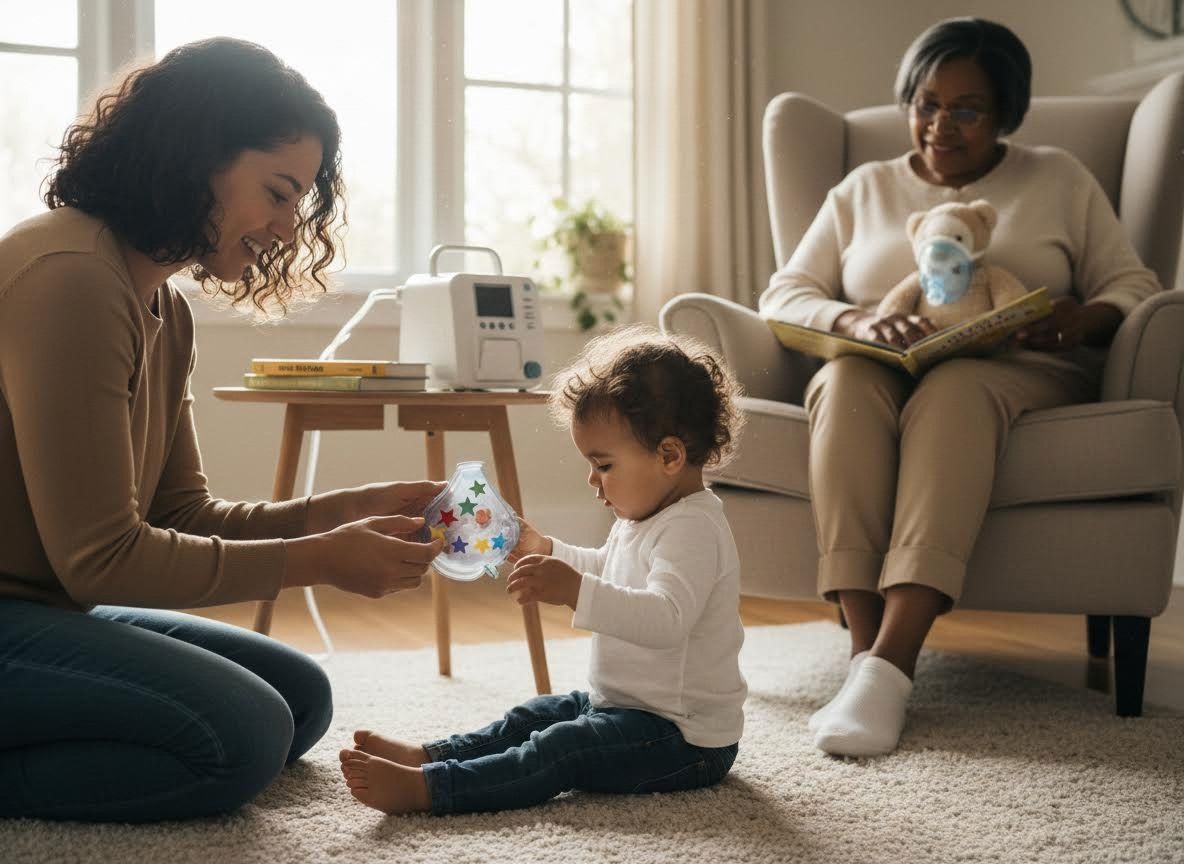
Introducing a mask to a toddler requires patience, creativity, and a compassionate approach. It's a new sensation, and their natural reaction might be resistance. Begin by letting your child play with the mask during awake hours, making it a familiar, non-threatening object. You can turn it into a game, pretending their stuffed animals are wearing it, or letting them decorate it with stickers. Gradual introduction is key; start with short periods, perhaps just for a few minutes while they watch their favorite cartoon or read a book, and slowly increase the duration. Positive reinforcement, such as praise, small rewards, or cuddles, can create a positive association. Ensure the mask fits comfortably and doesn't cause irritation; a poor fit can lead to air leaks or skin discomfort. Consistency in routine, like putting the mask on at the same time each night, can also help them anticipate and accept the process. Pediatric home care professionals can also offer valuable guidance and support during this adjustment period.
Expert Support in Pediatric Home Care
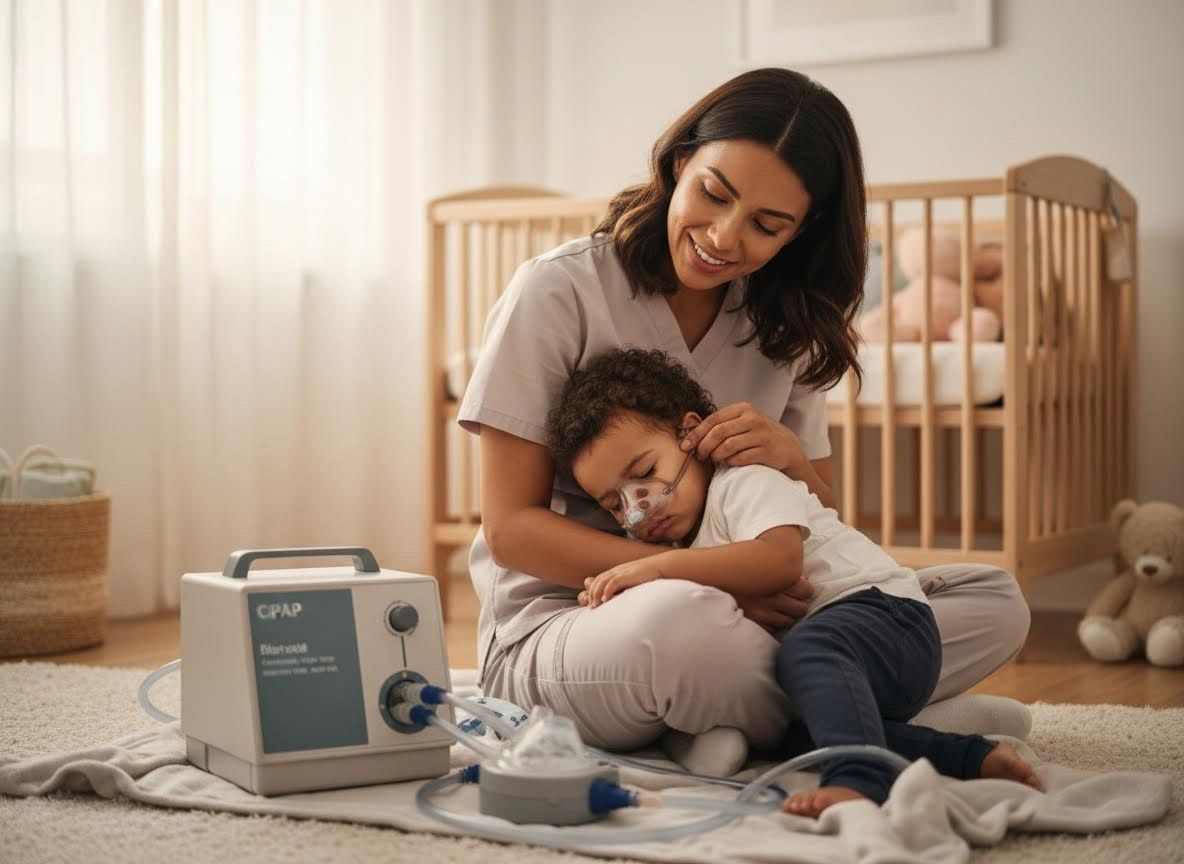
Navigating the world of pediatric services and special needs equipment, especially when it involves something as critical as a bipap machine or CPAP, requires expertise and dedicated support. Families often find comfort and reassurance in having trained professionals assist with in home pediatrics care. These caregivers can help monitor the equipment, ensure proper mask fit, address any issues that arise, and provide general support for the child's daily needs. This personalized approach not only eases the burden on parents but also ensures that the child receives consistent, high-quality care in an environment that promotes their well-being and development.
Understanding the distinctions between CPAP and Bipap and implementing gentle strategies for mask adjustment are crucial steps in ensuring a toddler's successful respiratory support journey. With the right knowledge and compassionate support, families can confidently manage these therapies at home. Quality Care InHome Care Services is dedicated to providing personalized in home pediatrics care, ensuring your child receives the highest level of support. To learn more about how our specialized pediatric services can benefit your family, we invite you to explore our comprehensive care options.